


Diet Nutrition Information and GuidelinesDiet and Weight Loss Advice - Healthy Weight Loss Program - Diet Foods - Healthy Diet |
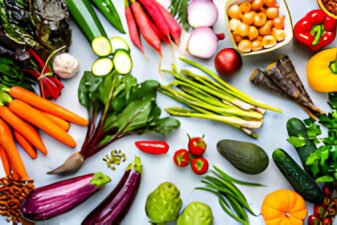
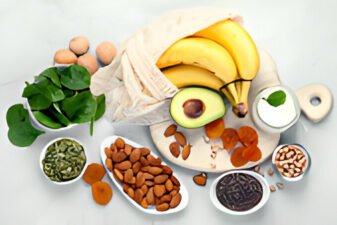
Nutrition Is Vital For Health and Weight ControlA nutritious diet is essential for good health and weight control. In particular, a nutritional eating plan will definitely improve your chances of fast weight loss. So avoid fad diets or any type of eating plan that restricts you to certain foods. Instead, choose a healthy calorie-controlled diet rich in fruit and vegetables, moderate in protein and low in saturated fat or trans fatty acids, with foods from all main food groups. This helps to improve metabolism, maintain a stable appetite and eliminate cravings. Which makes weight reduction easier and faster, and future weight gain less likely. For more information about the best foods - including the best carbs, fats and protein - sodium, cholesterol and vegetarian nutrition, plus information on the nutritional benefits of specific foods, including the effects of phyto-chemicals, carotenoids, antioxidant vitamins and minerals, essential fatty acids and omega-3/6 fats, plus advice on diet nutrition for special health conditions, please see below. Digestive System And Dietary NutritionOur food digestion system (mouth, esophagus, stomach, small intestine, large intestine) helps us to obtain energy and nutrients from food. If our digestive tract cannot properly absorb macronutrients and micronutrients we become vulnerable to nutritional deficiencies. Carbohydrate, fats and protein are each digested differently within the gastrointestinal tract, but surplus calories from these three macronutrients are ALL converted to body fat. |
General NutritionHow dietary habits have changed and what constitutes a healthy diet. Stone Age
Diet Carbohydrates Everything you need to know about healthy carbohydrate, how much to eat and how the Glycemic Index helps to maintain good health and weight. How
the Body Uses Energy Sugar How much sugar do you need Dietary Fiber Both soluble and insoluble
fiber Guide
to Dietary Fiber Protein Protein is essential for cell growth Protein &
Diet Dietary Fats Although fats are all relatively high Dietary Fat
in Foods Cholesterol For information about cholesterol Healthy
Cholesterol Levels Sodium Most of us eat too much sodium Sodium
& Diet Vegetarianism Vegetarian diets are no less Vegetarian
Diet Nutrition Vegetarian
Diet Guidelines Diabetes and Nutrition Diabetics do not need to eat Diabetic
Diet Guidelines Articles About Nutrition What
is Sensible Eating? |
Special Diet Nutrition Polycystic Ovary Syndrome It is thought that up to 10 percent of women may have PCOS, even though many patients may not know it because their symptoms may be misdiagnosed as (eg) PMS or stress... read more about PCOS below. Guide
to PCOS Diet Advice For PMS Pre-menstrual Syndrome (PMS) is a common condition affecting up to 75 percent of women. PMS symptoms vary widely and typically occur up to 14 days before the menstrual period... read more about PMS below. Guide
to PMS Diet Advice For Mother and Baby Find answers to questions like: how much weight should you gain during pregnancy, when is it gained, what is the weight used for, what foods, vitamins, minerals and calories should you eat, what foods should you avoid, how to get more help and support. Read more below. Weight
During Pregnancy Diet Advice During Menopause What are the best eating habits to reduce symptoms of menopause? Read more below. Guide
to Menopause & Diet CandidaCandida is a yeast infestation. The species most often involved is Candida albicans, and the infection is known as candidiasis. The purpose of a candida reduction diet is to eliminate those foods that "feed" the yeast infestation, by rigid adherence to a "restricted foods list." The duration of the diet is typically determined by the history and severity of the symptoms and overall health. Guide
to Candida Diet Diverticular DiseaseA low-fiber diet is considered to be the main cause of diverticular problems. First diagnosed in the United States in the early 1900s, and now common throughout developed countries, the emergence of diverticular disease coincided with the introduction of low-fiber processed foods (eg. branless refined flour). Diverticulosis
& Diverticulitis Celiac DiseaseAt present, the only treatment for celiac disease is to follow a gluten-free diet, and eliminate all foods that contain wheat, rye, barley and oats. Most celiac patients have to avoid all traces of gluten, while some celiacs can get away with eating a small amount occasionally. Also, some patients do not have to eliminate oats from their diet. On the other hand, some celiac sufferers have an acute reaction (known as celiac shock) to even the smallest amount of gluten. Celiac
Disease Lactase DeficiencyPeople who suffer from lactose intolerance are unable to digest lactose, which is the principal sugar in milk and milk products. This digestive incapacity is caused by a lack of the digestive enzyme lactase.There is no "special treatment" for lactose intolerance. The only way to control symptoms is by diet modification. Lactose
Intolerance Irritable Bowel Disease (IBS)Treatment for IBS is typically conditional upon a patient's age, general health and medical history, severity of symptoms, tolerance and suitability for medications. Treatment may include diet modification, such as switching to a high fiber diet, the use of fiber supplements, laxatives, and other medications to relieve symptoms. Guide
to IBS |
VITAMINS
|
|
Includes material from Diet Nutrition Advice Return to Diet And Weight Loss Advice |